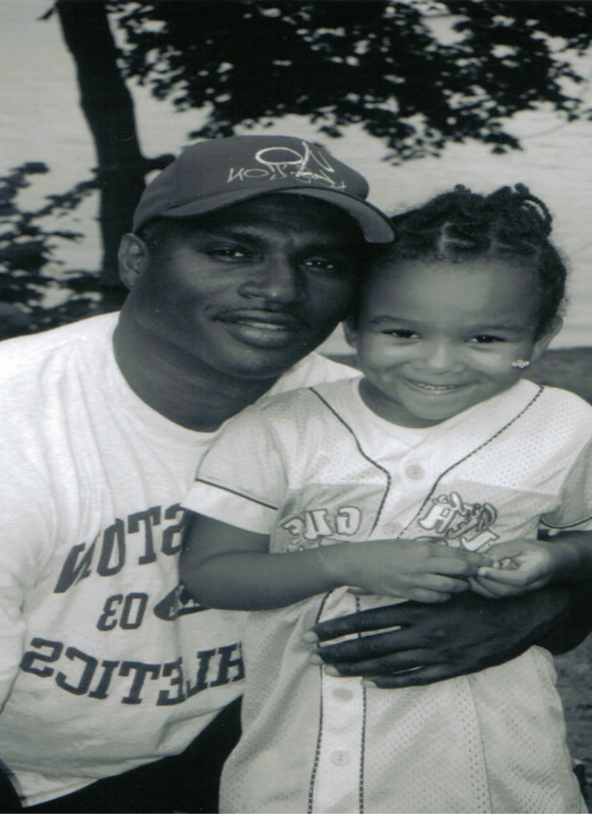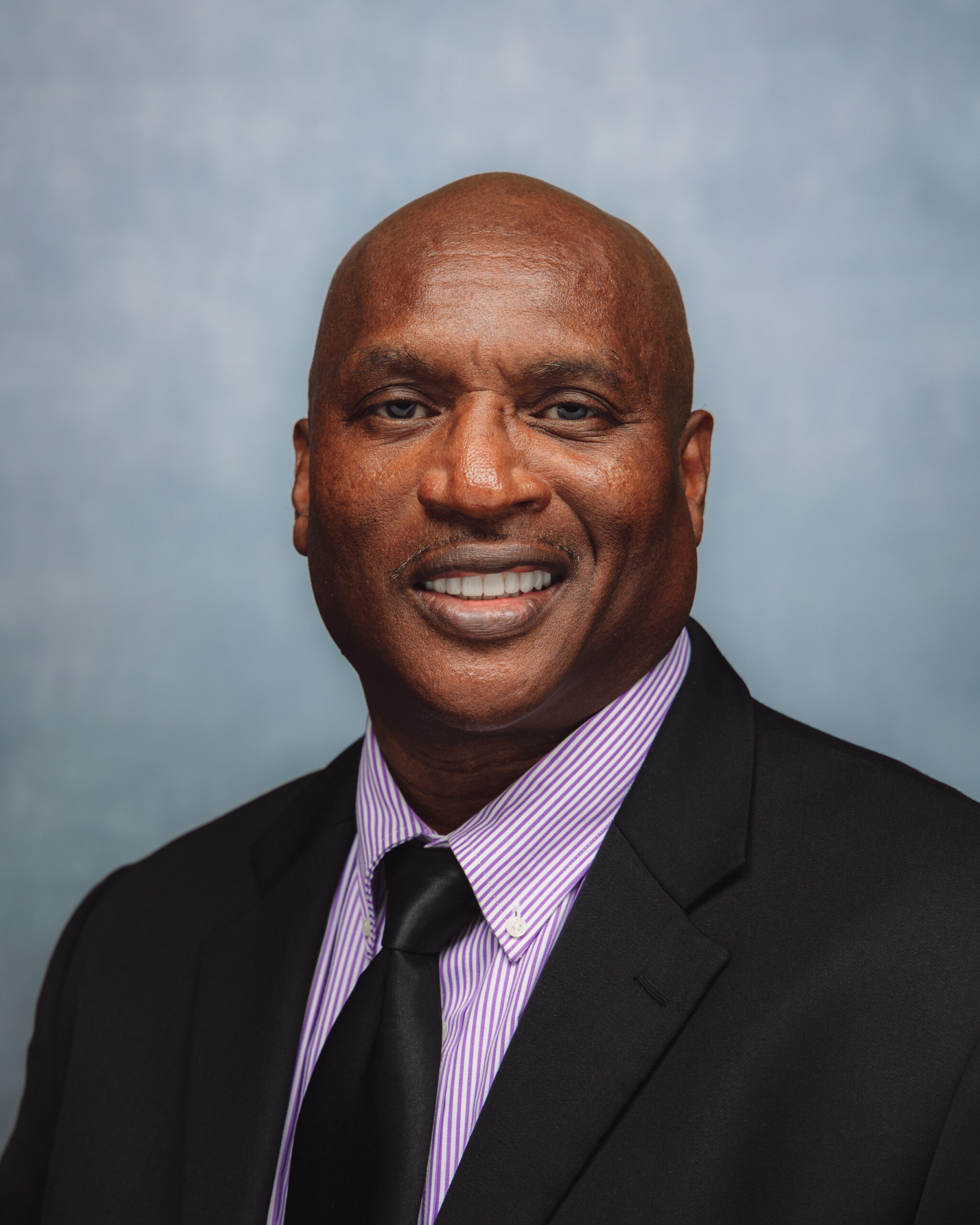
Mr. Sam Williams
has over twenty-five years of experience in the non-profit sector. A native of Boston, he holds a master’s degree in science of City Planning from Boston University. Currently, Mr. Williams serves as the Executive Director for Concord Prison Outreach. He has played a key role in various local, statewide, and national initiatives addressing issues such as historical racial injustice, racial profiling, juvenile justice reform, restorative justice, positive youth development, and public safety. In addition to his leadership in these areas, Sam has contributed to men’s empowerment work throughout the Greater Boston community, focusing on youth, adults, and individuals returning home from incarceration.
For almost three decades, he led men’s groups with organizations such as United Souls Program, Nurturing Father, BRAVE Unit, and Brother’s Healing Circles. He also provides programming, training, and coaching at various Department of Corrections facilities, including MCI-Norfolk, MCI-Walpole, MCI-Shirley, Northeastern Correctional Center, Sheriff County Houses of Corrections in Dedham and Billerica, and the Massachusetts District Federal Courts. Sam is a 200-hour Certified Yoga Instructor (registered with Yoga Alliance) and a 200-hour Certified Meditation Teacher (Radiant Sutra School of Meditation). He is also a trained trauma-informed facilitator and a Restorative Justice Practitioner.
Sam emphasizes the importance of empowering healthy minds and bodies through awareness-building, personal accountability, and self-directed learning strategies. Since 2001, Sam has served as the Co-Chair of the Community Advisory for the Northeastern University Center for Race and Justice for over 20 years..
In 2019, Mr. Williams was honored by the City of Boston (City Council) for his work in Men’s Healing Circles through restorative justice. In 2006, he received the Boston Neighborhood Fellows Award from The Philanthropic Initiative for his leadership and commitment to others. Other honors include the Whittier Street Men’s Health Summit Health Champion Award in 2006, the Jay Blitzman Youth Advocacy Awarding 2004, and the Action for Boston Community Development Award in 2004 for his outstanding volunteer contributions to the City of Boston. Massachusetts Department of Correction 2025 Professional Volunteer Award 2024
NOTE: Please feel free to contact me directly if you are interested in having me speak, facilitate a workshop or training, or engage in any consulting capacity. My work is human-centered, trauma-informed, and grounded in leadership practice. I am passionate about creating spaces that foster thoughtful engagement, deep reflection, and meaningful collective learning experiences.
Emai: samwill3390@gamil.com or cell 617-276-5899
Training Profile: Teaching, Training, and Certification background 2010- 2026
The New England Culinary Arts Training (NECAT) Lead Training March/April 2026
Trauma-Informed Leadership Training, facilitated by Sam Williams, is a four-part series designed for culinary arts instructors, workforce development staff, supervisors, and frontline leaders working in high-pressure learning and employment environments. The training includes: (1) Trauma-Informed Awareness in personal and professional leadership, (2) Understanding neurobiology, trauma, and the brain, (3) Distinguishing emotional and mental trauma states, and (4) Self-care as a strategy for addressing trauma-based conditions. Designed for programs serving adult learners, individuals in recovery, justice-impacted participants, English-language learners, and those with limited academic confidence, the training equips participants with practical, trauma-informed tools to create safe, structured, and dignified environments where people can learn, work, and grow. It reframes common workplace challenges such as tardiness, withdrawal, defensiveness, or emotional reactivity not as deficits in motivation, but as nervous system responses shaped by lived experience, encouraging leaders to shift from “What’s wrong?” to “What’s happening beneath the surface, and how do we respond skillfully without lowering expectations?”
Concord Prison Outreach – Restorative Justice Facilitator Trainings April 2020-Present
Over the last 5 years, Sam has trained over 350 adult volunteers, college students, educators, and community leaders as Restorative Justice facilitators. The 16-hour Restorative Justice Facilitator’s Training is designed to prepare Circle Keepers and group facilitators to effectively deliver and implement restorative justice practices and principles in a holistic manner. This training is specifically tailored for individuals who are teaching in community and correctional settings. Due to the complex nature of participants’ ethnic backgrounds, lengths of incarceration, criminal histories, environmental learning conditions, logistical challenges, social-emotional and cognitive levels, and diverse learning styles, we have intentionally integrated the most relevant topics and frameworks. The training design incorporates 13 different frameworks to support participants, including: Restorative Justice Framework, Experiential Learning, Peacemaking Circles, Victim-Centered and Offender-Centered approaches, Victim Advocacy and Healing, Strength-Based/Asset-Based practices, Strategic Questioning, Radical Listening, Facilitation and Co-Facilitation, Trauma-Informed Practices, Serving Vulnerable Populations, Adult Learning Pedagogy, Motivation for Culturally Responsive Teaching, and Self-Care.
Northeastern University (Adjunct) – Restorative Justice (Adjunct) Fall 2022–Present
This experiential course trains students in restorative justice principles, circle facilitation, and integrating restorative approaches into daily life. It explores historical context, current justice applications, and systems of oppression through Critical Race Theory and systems theory. Students engage in both classroom learning and applied experiences, sometimes off campus. The course emphasizes accountability, reflection, and skill development through attendance, participation, facilitation, and written work. By combining theory and practice, students develop the capacity to understand harm, respond with empathy, and apply restorative principles across personal, professional, and community settings.
Boston University – Positive Youth Development (Adjunct) Fall 2022–Present
This course explores principles and practices of positive youth development through child and adolescent developmental science. Students examine bio-psycho-social and ecological frameworks shaping youth experiences, then apply these perspectives to real-world systems such as education, juvenile justice, and family services. The course emphasizes identifying both positive and negative institutional impacts on youth. Through observation, discussion, and applied learning, students develop a deeper understanding of how environments influence development and how strengths-based approaches can improve outcomes for young people across diverse communities.
Boston University: Youth Work and Advocacy (course)
This course expands student knowledge of youth work, advocacy, and the principles of positive youth development. Students explore how young people use their strengths to organize and mobilize around issues affecting their lives. The course emphasizes empowerment, leadership, and community engagement, while examining the systems shaping youth experiences. Students gain practical insight into advocacy strategies and the role of professionals in supporting youth voice and agency. The course builds a foundation for working alongside youth as partners in change rather than as passive recipients of services.
Boston University – Restorative Justice (course)
This course equips students with practical skills to implement restorative justice in real-world settings. Students learn circle facilitation, explore historical and global applications, and examine its role in addressing mass incarceration. Using Critical Race Theory and systems thinking, students analyze how oppression shapes behavior and justice outcomes. Experiential learning, including off-campus sessions, strengthens application. Assessment includes participation, facilitation, and written work. The course emphasizes personal transformation alongside systemic change, helping students develop both the mindset and skills needed to apply restorative practices effectively.
Reckoning Summer Institute (Northeastern University)-2023
This public history initiative addresses trauma experienced by families impacted by generational incarceration. It focuses on emotional and psychological impacts while empowering BIPOC communities to preserve and share their histories. The project highlights connections between trauma, stress, and physical health, particularly in urban communities facing systemic challenges. By examining issues such as family separation, poverty, and youth risk factors, the initiative promotes healing, resilience, and community storytelling. It integrates historical reflection with practical strategies to support well-being and strengthen community identity.
One Circle Health and Wellness (Founder)
One Circle provides services that educate, empower, and strengthen the social, emotional, and cultural well-being of individuals and families in urban communities. Through workshops, presentations, and classes, the organization addresses stress and trauma while building sustainable partnerships. It ensures access to health and wellness resources and preserves lived experiences of children impacted by incarceration. Using digital and creative tools, the work examines generational trauma and supports healing.
The approach combines education, community engagement, and cultural preservation to create long-term impact.Contact: One Circle: Health & Wellness, Cell: 617-276-5899,
Email: samwill3390@gmail.com
Certificate in Traumatic Stress Studies completed (2023)
This intensive seven-month program provides advanced training on trauma’s impact on the brain and body, integrating research with clinical practice. Participants study PTSD, developmental trauma, and evidence-based treatments while engaging in peer dialogue and supervision. Monthly sessions allow reflection on clinical challenges and application of learning. The 70-hour program strengthens trauma-informed practice and supports professional growth. Graduates gain deeper knowledge of emerging treatment strategies and may qualify for continuing education credits and professional directory listing.
Dedham House of Correction – Yoga/Meditation Teacher 2022-Present
This program provides trauma-informed yoga and meditation classes to incarcerated individuals, supporting mindfulness, rehabilitation, and reduced recidivism. Sessions focus on physical and mental health through breath, movement, and awareness practices. Participants learn techniques to manage stress, build self-awareness, and foster emotional regulation. The program emphasizes healing, empowerment, and compassion while contributing to a more positive correctional environment. It encourages continued personal practice and provides tools for long-term well-being.
Federal Courts – Restorative Justice Coordinator (RISE Program) 2022-Present
The RISE program is a 12-month specialty court initiative for individuals on pretrial release. Participants voluntarily engage in structured supervision while working toward personal goals in areas such as education, employment, and recovery. The program includes restorative justice workshops, reading assignments, and victim-offender dialogue. Progress is reviewed in court, and while outcomes are not guaranteed, participation may influence sentencing. The program emphasizes accountability, growth, and rehabilitation through individualized planning and restorative practices.
Re-Imagining Juvenile Justice (RJJ 4.0) initiative—School & Main, Boston, MA, Aug 2020–2025) (National Trainer/Consultant). RJJ is a professional development initiative sponsored by the Annie E. Casey Foundation and delivered through the School & Main Institute (SMI). The training is designed for professionals working with youth involved in the juvenile justice system and their families. It aims to develop professionals’ capacity to support, divert, and redirect youth to appropriate and fair justice options, including those requiring cross-system collaboration and coordination. The training is based on adolescent development research showing youth thrive in positive environments with caring adults. RJJ is founded on a core curriculum of six course modules designed by SMI with input from specialists in youth work, child welfare, and juvenile justice. To date, SMI and partners have trained over 75 trainers, reaching 900 individuals across 18 states and 40 jurisdictions.
Restorative Justice Advisory Committee (RJAC) November 2, 2022- Present.
The Commonwealth of Massachusetts Executive Office of Public Safety and Security.
RJAC is a statewide council managed under the Executive Office of Public Safety. Members are appointed by the governor of Massachusetts for a three-year term. Mission: To promote and expand restorative justice education, practices, and programming statewide in collaboration with practitioners, participants, sponsors, stakeholders, and the public. The goal is to foster healing for individuals and communities impacted by harm and systemic and structural violence, while promoting public safety and accountability. Vision: A Commonwealth where community accountability for harm is rooted in healing rather than retribution, and where effective restorative practices are embedded within schools, public institutions, and communities, supported by public policy, programming, funding, and infrastructure.
Commission on the Future of Higher Education Behind Bars- Oct 2022-June 2023
This regional partnership develops strategies to expand access to higher education for incarcerated individuals. It brings together policymakers, educators, and corrections leaders to align systems and improve reentry outcomes. The initiative focuses on reducing barriers, promoting autonomy, and strengthening economic opportunities. Through data-driven analysis and collaboration, the Commission creates policy recommendations and action plans to improve prison education systems and long-term outcomes.
JUST Alternatives Victim-Centered VOD Facilitator Trainings April 11th- 15th, 2022
Facilitating Victim-Centered Victim-Offender Dialogues in Crimes of Severe Violence
Victim-Offender Dialogue (VOD) is a process in which the victim of a crime or the victim’s surviving family members meet face-to-face with the offender in a safe and secure setting. For certain victims and survivors of severe violence and violation, the facilitated VOD process offers a pathway to further healing and justice. This in-person training will be held in Milford,
Jon Wilson, Training Facilitator, justalt@gmail.com or contact me at 207-359-8920 for further information, Massachusetts Department of Correction (DOC) Central Office, Milford, Massachusetts
*UMASS/ Boston-(Adjunct) Psychology of Trauma: Spring Semester 2021
Lead Instructors: Devin G. Atallah, PhD, and Sam Williams
In this course, students will explore psychological trauma and healing through transdisciplinary, decolonial, racial-justice, and restorative-justice perspectives. Biomedical, child development, and traditional psychosocial perspectives on trauma will also be reviewed. Various types of traumatic experiences, such as racial trauma, sexual assault, child abuse, natural disasters, war, and systemic oppression, will be considered. Students will gain an introductory understanding of the clinical diagnosis of PTSD and explore therapeutic approaches for treating complicated traumatic stress responses. Throughout the semester, students will engage with trauma theories, research, and practice while connecting with community practitioners locally and internationally. The course will move beyond Eurocentric Western psychological frameworks, developing critical, culturally centered understandings of trauma. This includes examining the consequences of colonialism, racism, sexism, capitalist exploitation, militarization, displacement, incarceration, and migration. This global, anti-racist approach draws on restorative justice and decolonial perspectives, fostering improved understandings of human victimization and agency.
Functional Nutrition Certification program:Fall 2021-Spring 2022
Functional Nutrition Counselor: Internationally acclaimed Functional Medicine Nutritionist Andrea Nakayama has designed Full Body Systems, a comprehensive online immersion program that equips you with the skills to work with any client, regardless of their symptoms or diagnosis. Upon completing the training and passing the certification exams, you will be certified as a Functional Nutrition Alliance Certified Functional Nutrition Counselor (CFNC). The Functional Nutrition Alliance is accredited by the American Association of Drugless Practitioners (AADP) and the American Association of Wellness Practitioners (AANWP). This accreditation means that once you finish Full Body Systems, you are eligible to apply for board certification. The program teaches you how to identify and address root causes, guiding clients to health using “food as medicine.” Clients experience lasting results while you build a thriving, impactful practice. Andrea Nakayama leads weekly classes and two-hour “Power Hours.”
Mediator’s Beyond Borders International: Global Peace Building Institute Fall 2021
Facilitating Learning Circles & Restorative Justice Conferencing
Restorative practices provide a transformative framework for examining the language of conflict, transforming conflict narratives, and responding to intense emotions. This includes techniques for managing anger, fear, grief, guilt, and shame, as well as methods for eliciting interests, collaboratively negotiating agreements, caucusing, resolving cross-cultural conflicts, and advancing ethics and values. This four-day training is designed to enhance the skills of a wide range of individuals—from mediators looking to deepen or expand their practice, to professionals in corporations or non-profits who want to use circles and conferences to prevent and resolve conflict. It is also ideal for those who wish to facilitate dialogue within their communities, families, workplaces, or relationships. The goal is to develop the skills necessary to foster a shared understanding of collective harm and work toward healing. About the Trainer: Dr. Dianne Williams is an International Mediator and Mediation Coach, an IIRP Licensed Trainer of Trainers, executive director of ICOD, and an international consultant for Mediators Beyond Borders International.
200-hour Radiance Sutras School-Meditation Teacher Certification Training (Completion- Jan 2021- June 2021) Instinctive Meditation — A liberating, life-affirming approach to inner practices. Instructors: Dr. Lorin Roche and Camille Maurine, globally recognized leaders in meditation. They are two of the most profound teachers in the meditation community. Meditation is a powerful way to connect with your true self. Imagine moving through life with a sense of connection, clarity, and purpose, even in moments of vulnerability. Website: https://www.meditationtt.com/online-meditation-teacher-training-200-hours certification-program-full-details?ref=mtt
200-Hour Yoga Teacher Certification– Sacred Tree Yoga Studio & Wellness Center, 65 Holbrook St., Norfolk, MA (Completion- Sept 2019-June 2020). A Registered Yoga Teacher (RYT) credential is awarded to yoga teachers whose training and teaching experience meet the standards set by Yoga Alliance. To earn this credential, an RYT must complete training with a Registered Yoga School (RYS®), be confirmed by the RYS, and maintain their certification through Continuing Education and annual requirements. Website: https://www.yogaalliance.org/credentialing/credentials_for_teachers
Boston College Law School, (Adjunct) Spring 2020
Names of Instructors/Facilitators: Melissa B, JD, MDiv, MSW ; Karen L, MSW, PhD; & Sam Williams, MA
Restorative Justice: Transforming the Law from Within: This experiential course equips students with the skills to implement restorative justice principles and practices in legal work. Students will learn to facilitate restorative justice circles and integrate these approaches into daily life. The course uses an interdisciplinary framework that combines head and heart to cultivate compassionate lawyers committed to transforming themselves and the justice system. It explores practices that strengthen the inner life and examines its connection to lawyer well-being and the quality of legal practice. The course also examines the roots of restorative justice, contemporary applications across the U.S. and globally, and its relevance in addressing mass incarceration and the current penal system. Students will apply Critical Race and systems theories to assess the impact of racism, sexism, gender discrimination, and other forms of oppression. Coursework includes experiential learning, possible off-campus sessions, and evaluation based on attendance, participation, facilitation skills, and written assignments.
Cape Mediation- (32-hour Intensive Mediation Skills Training)- Completed Fall 2008. Cape Mediation is a private, non-profit organization that has offered high-quality conflict management services and training to courts and communities of Cape Cod since 1989. The Center is a 501 (c) (3) non-profit that receives financial support through grants from the Massachusetts Attorney General’s office, the Massachusetts Bar Association Foundation (IOLTA), and the Massachusetts Trial Court. Cape Mediation is authorized by the Massachusetts Supreme Judicial Court to provide mediation services in the District Courts of Barnstable, Falmouth, Orleans, and Nantucket: Website: www.capemediation.org
Certified Community Trainer, The Efficacy Institute, Inc. (Get Smart Mindset), Fall 2008. The Efficacy Institute, Inc. is a national, not-for-profit agency of education reform. We are committed to developing all children to high standards. The central objectives of our work are: to build belief that virtually all children can “get smart” and to build the capacity of adults to help them do so. The effectiveness of Efficacy has been proven by hard-working educators in communities across America since the mid-1980s. Using our Mission, Mindset, and Method Approach, they have achieved dramatic proficiency gains, improving student performance at the district, school, and classroom levels. Website: https://www.efficacy.org
Volunteer Yoga Teacher: MCI-Norfolk, prison (men): September 2014- Present
Trauma-Sensitive Yoga Groups (20-week cycles) – Sunday mornings. The purpose of this group is to introduce men to yoga and restorative justice practices through an integrated approach. By teaching basic yoga poses and breathing techniques, we help participants identify how past and present trauma is carried in the body, while also introducing simple personal healing practices. Additionally, we provide the men with essential tools to reduce stress, physical tension, anxiety, and reactionary behaviors that often lead to poor decision-making. We also explore restorative justice principles, such as taking personal responsibility and accountability for the harm they caused that led to their imprisonment. Over the past four years, I have witnessed powerful change and personal transformation in the men who have participated in and completed the 20-week group cycle.
Volunteer Facilitator Restorative Justice: MCI Framingham, prison (women): September 2015- Present (Paused due to Covid-19)- RJ 8-week Reading Groups. (Monday, Wednesday). The purpose of these groups is to introduce women to restorative practices that promote personal responsibility and accountability for the harm they have caused, which led them to prison. As facilitators, we use the peace circle structure in a nonjudgmental way to help participants understand and explore how personal decisions can negatively impact the individual, family, and society.
Civil Rights & Restorative Justice Project (Trainer/Consultant)- Sept 2019-March2020
At Northeastern University School of Law, this project trained Cambridge law enforcement staff through the “Historical Injustices and Present Policing” initiative, in collaboration with Harvard, MIT, and Cambridge Police. The training included three interrelated components: (1) the “Silenced Histories” Digital Map, documenting racially motivated homicides from 1930–1955; (2) trauma-informed practices and restorative justice, focused on addressing trauma within departments and communities, using case studies from multiple U.S. jurisdictions; and (3) the Intergenerational Trauma Toolkit, which provided historical context and examined the ongoing impact of systemic injustice on policing and community relationships.
Wheelock College – Juvenile Justice and Youth Advocacy Department– Sept 2015-Sept 2017 At Wheelock College, the Juvenile Justice and Youth Advocacy Department prepares students to become leaders and professionals across multiple sectors, including law, policy, education, youth development, recreation, prevention, and corrections. The program emphasizes interdisciplinary learning, critical thinking, and applied practice, equipping students with the knowledge and skills needed to engage with complex social systems. Students develop a strong foundation in advocacy, youth development, and justice reform, preparing them to work effectively with diverse populations and address systemic inequities within institutions that impact youth and families.
Institute of Race and Justice – Community Advisory Board (Co-Chairperson)- 2001-Present At Institute on Race and Justice, I serve as Co-Chairperson of the Community Advisory Board, contributing to the organization’s mission of advancing research, policy, and practice related to race, justice, and public safety. This role involves collaboration with researchers, practitioners, and community stakeholders to guide initiatives that address systemic inequities and promote justice reform. The work centers on bridging academic research with community experience, ensuring that strategies and solutions are grounded in both evidence and lived realities, while fostering partnerships that strengthen accountability, trust, and meaningful social change.
Municipal Police Institute & Institute on Race and Justice (Trainer) 2001-2003
Through a collaboration between the Municipal Police Institute and the Institute on Race and Justice, I served as a trainer in a statewide Train-the-Trainer program on bias-based policing, sponsored by the Massachusetts Executive Office of Public Safety and Security. The program developed a network of trainers across law enforcement agencies to address racial profiling, unconscious bias, and community engagement. Training also emphasized the use of traffic enforcement data as a management tool. Delivered across the Commonwealth, the program reached 177 law enforcement professionals from 111 agencies, including leadership and officers, strengthening capacity for equitable policing practices.
Faith-Driven Message
Her poetry is guided by a belief in the enduring light of God, prayer, and spiritual conviction rooted in lived experience.
Culturally Grounded Storyteller
She writes bilingually to honor Latino identity, family history, and generational memory with authenticity.
Purposeful Writer
Every poem carries purpose, meaning, responsibility, and truth beyond personal expression.